Wood Pellet Machine Development History
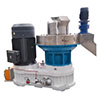
The wood pellet machine has evolved significantly since its early industrial use in the 1970s. Originally designed as simple biomass pellet mills for compressing agricultural waste, these machines were large, energy‑consuming, and mainly used by factories. With rising global interest in renewable energy, the demand for sawdust pellet machines increased rapidly in the 1990s, pushing manufacturers to improve efficiency and durability.
By the 2000s, modern pellet mill manufacturers introduced advanced ring‑die and flat‑die designs, allowing stable pellet production and lower maintenance costs. At the same time, small household‑level wood pellet machines became popular in Europe and North America due to the growth of pellet stoves and eco‑friendly heating systems.
Today’s biomass pellet machines feature automated lubrication, intelligent control systems, and stronger alloy steel dies, making them suitable for wood waste, agricultural residues, and mixed biomass materials. As global demand for clean energy continues to rise, the wood pellet machine industry is expected to expand further, driven by innovation, sustainability, and increasing adoption of biomass fuels.