Buy a Wood Pellet Machine: Essential Preparations Before Investment
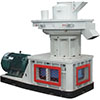
Investing in a wood pellet machine requires careful planning to ensure stable production efficiency and long-term profitability. Before selecting equipment, manufacturers should first evaluate the characteristics of available raw materials, including sawdust, wood chips, and other biomass residues. Raw material size, moisture content, and composition directly affect pellet quality and machine performance.
It is also important to determine the required production capacity and future expansion needs. Choosing the right sawdust pellet machine can help optimize energy consumption while improving output consistency. In addition, buyers should compare technical specifications, pelletizing efficiency, and maintenance requirements among different pellet machine manufacturers.
When evaluating equipment suppliers, factors such as after-sales service, spare parts availability, and technical support should be considered. A reliable wood pellet production line not only enhances operational stability but also reduces downtime and maintenance costs.
By conducting a thorough assessment of materials, capacity requirements, and supplier capabilities, businesses can select the most suitable wood pellet machine and maximize their return on investment in the biomass pellet industry.